
Understanding Risk Exposure in Commercial Properties
Commercial properties are exposed to a wide range of risks that can affect everything from daily operations to long-term profitability. Whether you own an office building, retail space, warehouse, or industrial facility, understanding potential vulnerabilities is an essential part of protecting your investment. Risk exposure refers to the likelihood that a property could be affected by events or conditions that result in financial loss, operational disruption, safety incidents or compliance issues.
By recognising these risks early and implementing preventative measures, property owners and managers can create safer, more resilient environments. Working with specialists such as a
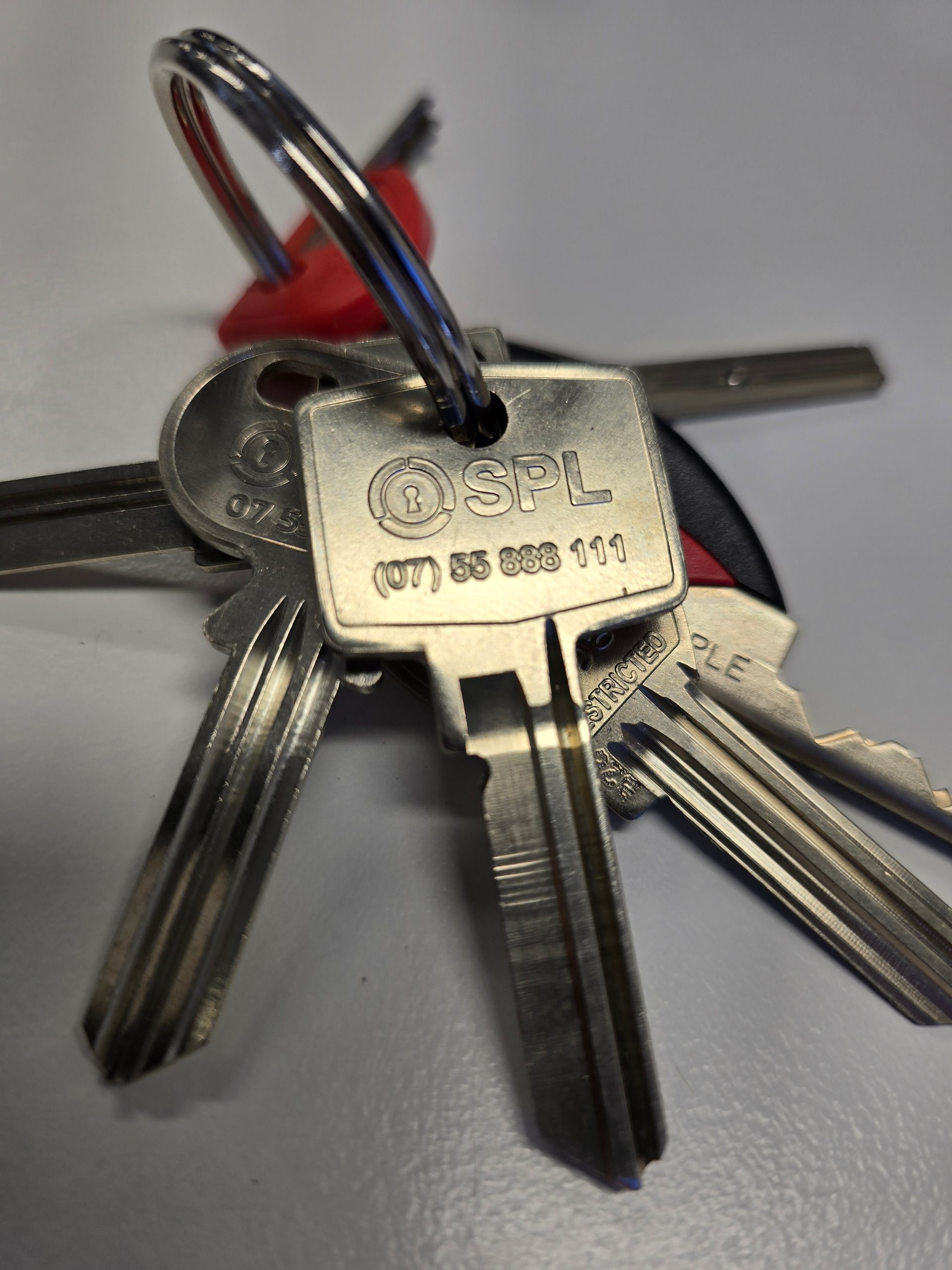
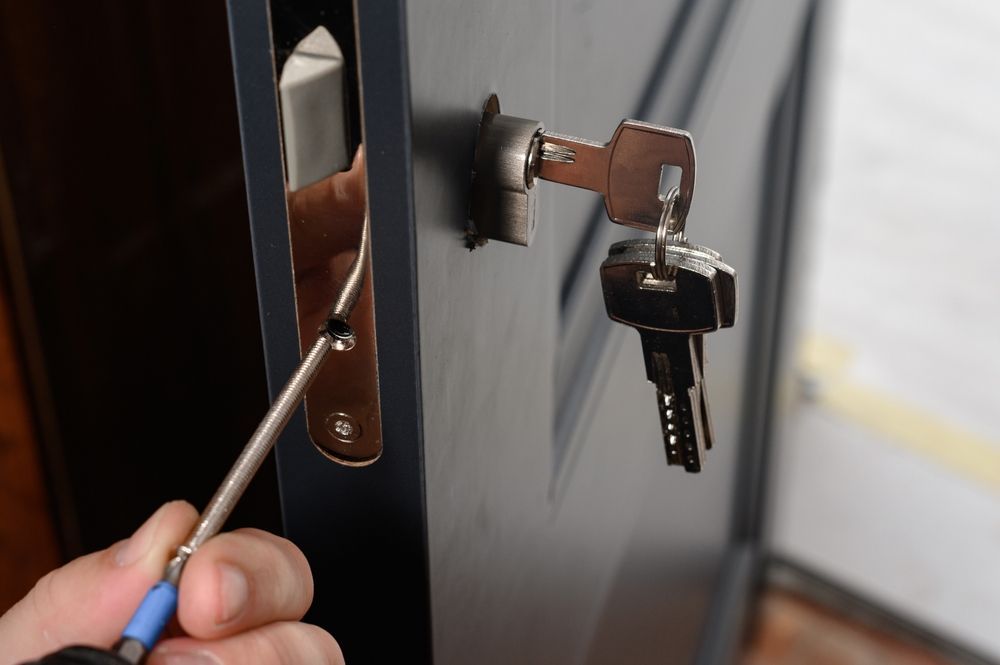
commercial locksmith on the Gold Coast can form part of a broader strategy to strengthen security and reduce potential threats before they have an opportunity to affect business operations.
What Risk Exposure Means for Commercial Properties
Risk exposure describes the level of vulnerability a commercial property has to events that could negatively affect its performance, occupants or financial outcomes. Every property faces some degree of risk, but understanding where those risks exist allows owners and managers to make informed decisions about protection, maintenance and long-term planning.
A thorough understanding of risk exposure can help property owners and managers:
- Identify vulnerabilities before they become serious problems.
- Prioritise improvements based on the most significant threats.
- Reduce the likelihood of costly disruptions and losses.
Understanding risk exposure is not about eliminating every possible threat. Instead, it focuses on recognising potential issues and taking practical steps to minimise their impact while maintaining a safe and productive commercial environment.
Physical Risks That Can Impact Buildings & Assets
Physical risks are often the most visible threats facing commercial properties. These risks can cause direct damage to buildings, equipment, inventory and infrastructure while also affecting the safety of employees, contractors and visitors who use the premises each day.
Several physical threats have the potential to affect commercial buildings and their occupants:
- Fire, smoke damage and electrical faults.
- Theft, vandalism and unauthorised access.
- Structural deterioration and building defects.
When physical risks are not properly managed, repair costs and downtime can quickly escalate. Regular inspections, preventative maintenance and prompt attention to emerging issues help reduce exposure while protecting valuable assets and infrastructure.
Operational Risks That Affect Daily Business Activities
Operational risks arise from the systems, equipment and processes that keep a commercial property functioning efficiently. While these risks may not always be immediately visible, they can have a significant impact on productivity, customer service and overall business continuity.
Businesses often encounter operational challenges such as:
- Equipment breakdowns and mechanical failures.
- Workplace injuries and safety incidents.
- Technology outages that disrupt operations.
Even relatively minor operational disruptions can create delays, increase expenses and affect customer satisfaction. Establishing maintenance schedules, safety procedures and contingency plans helps businesses minimise these risks and maintain smoother day-to-day operations.
Security Risks & Access Control Challenges
Security remains one of the most important aspects of commercial property risk management. Unauthorised access can expose businesses to theft, vandalism, property damage, data breaches and safety concerns for both employees and visitors.
To reduce security vulnerabilities across a site, organisations should pay close attention to:
- Controlling access to restricted areas.
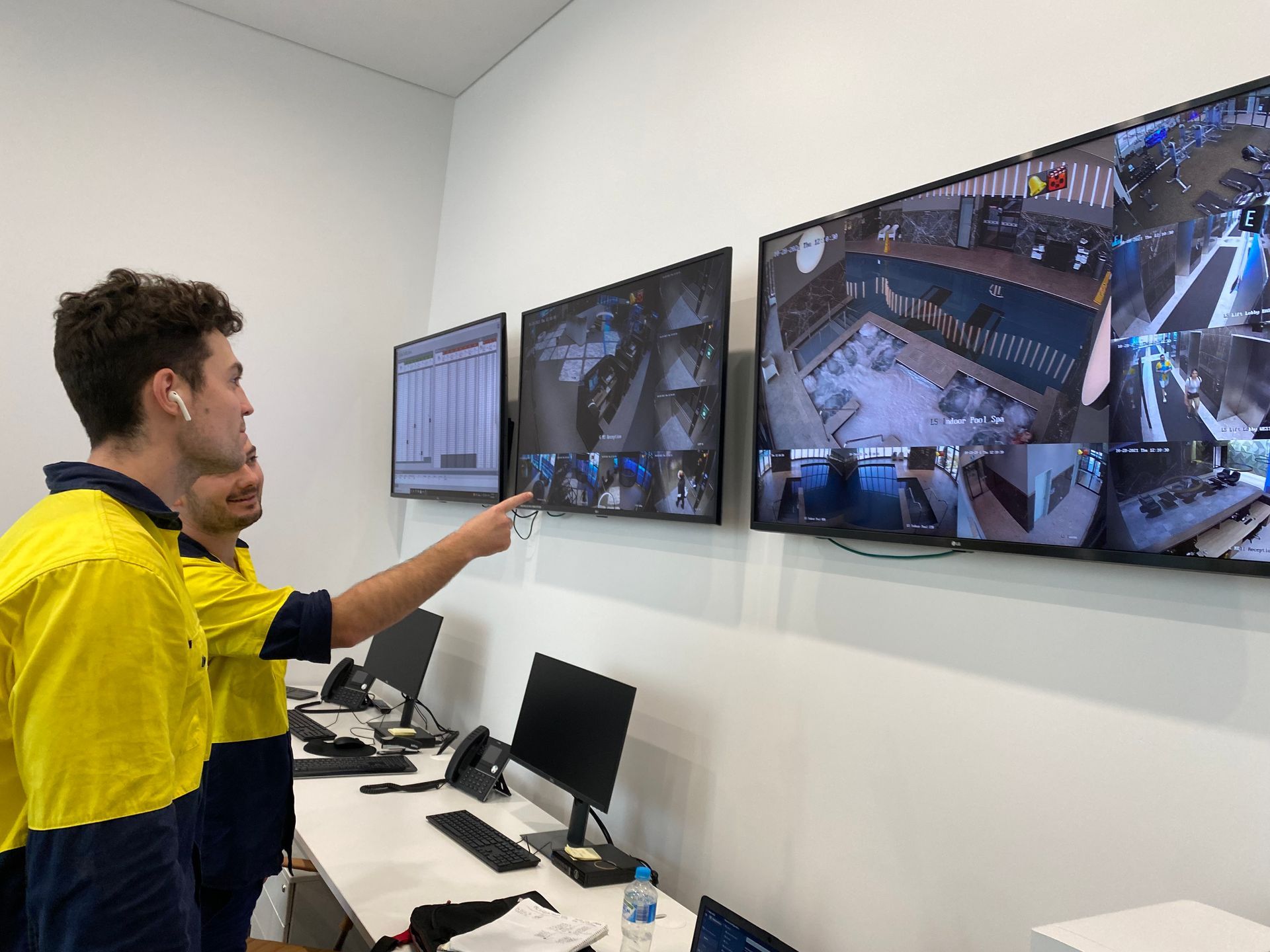
- Monitoring entry points and vulnerable locations.
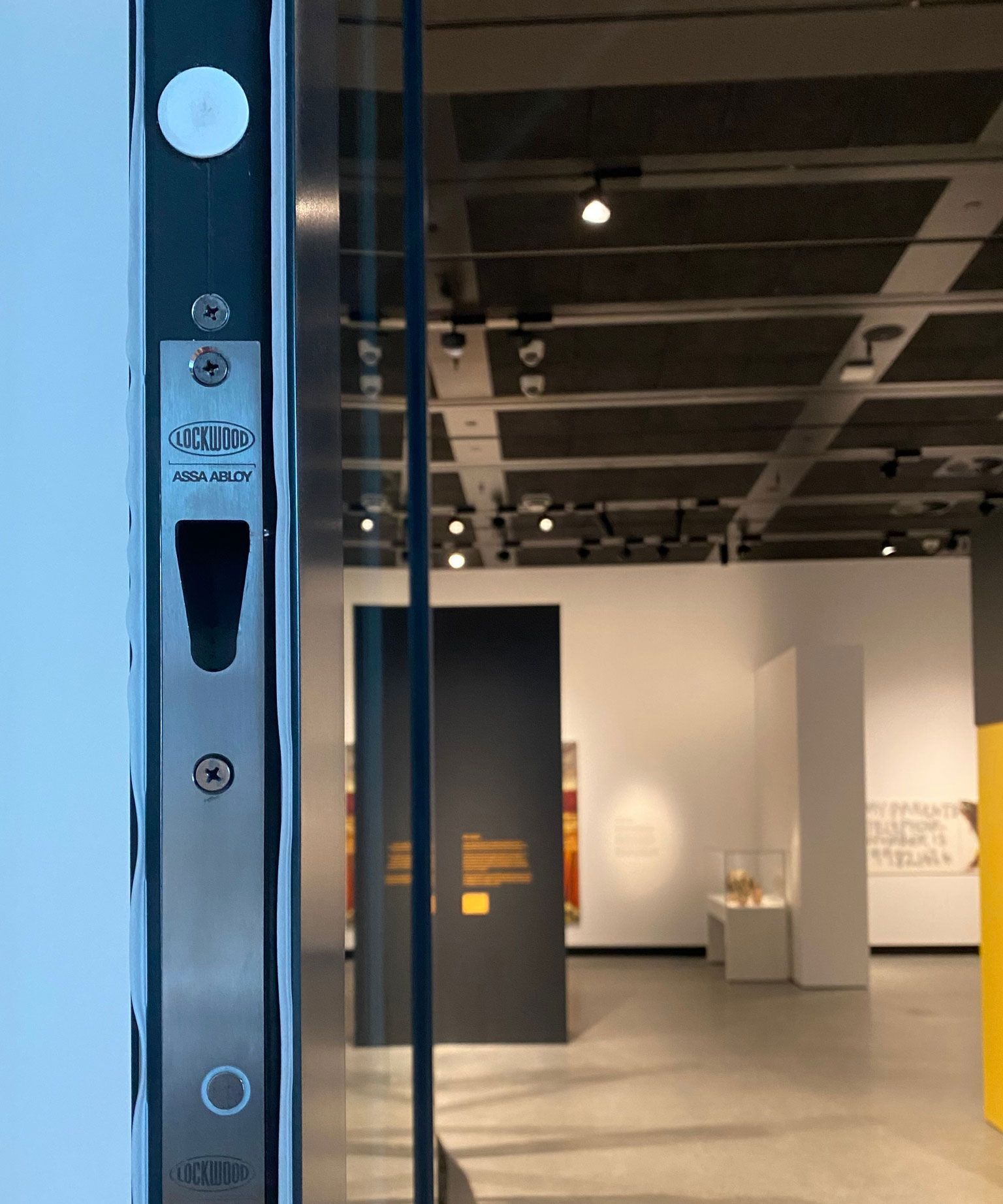
- Maintaining locks, alarms and surveillance systems.
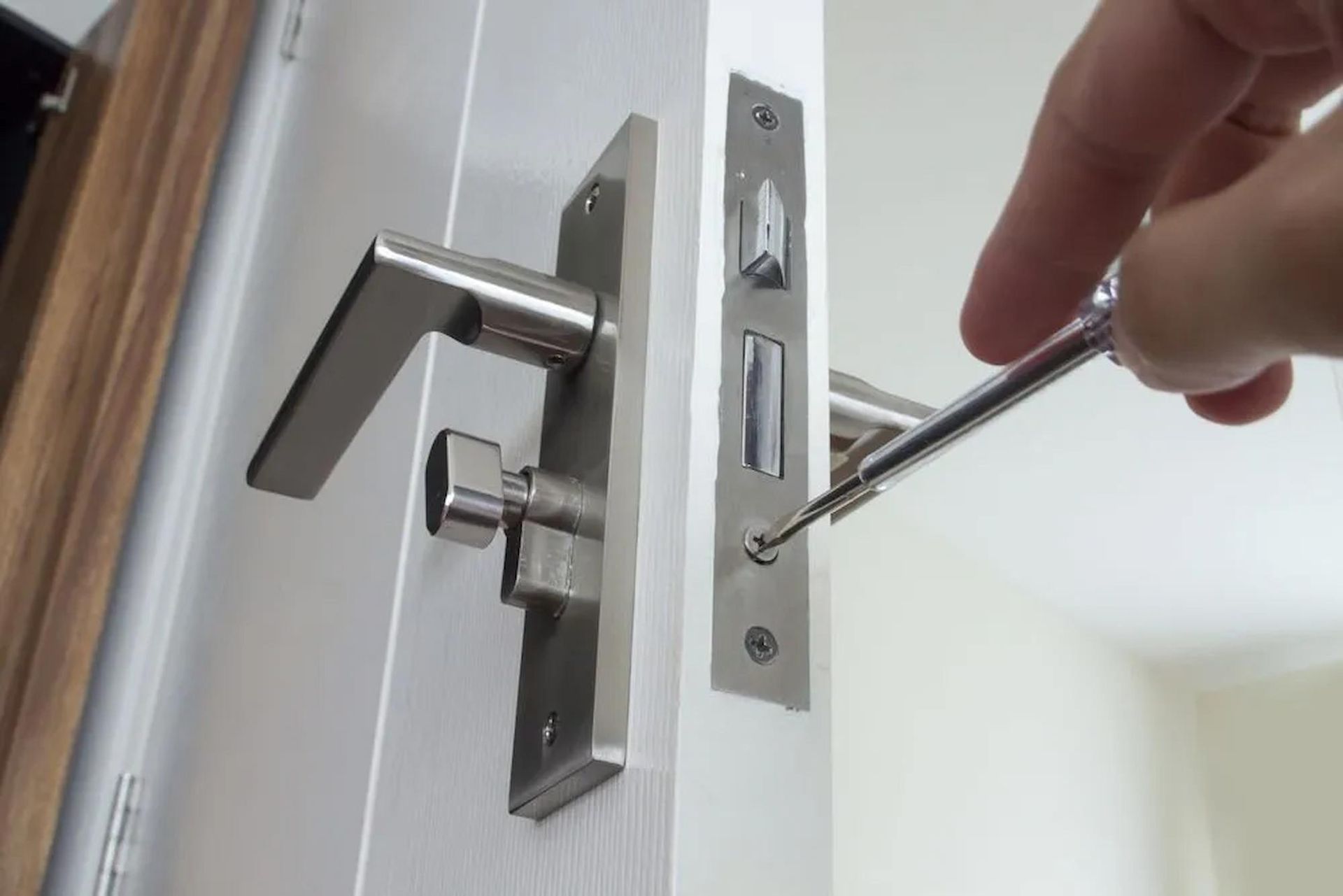
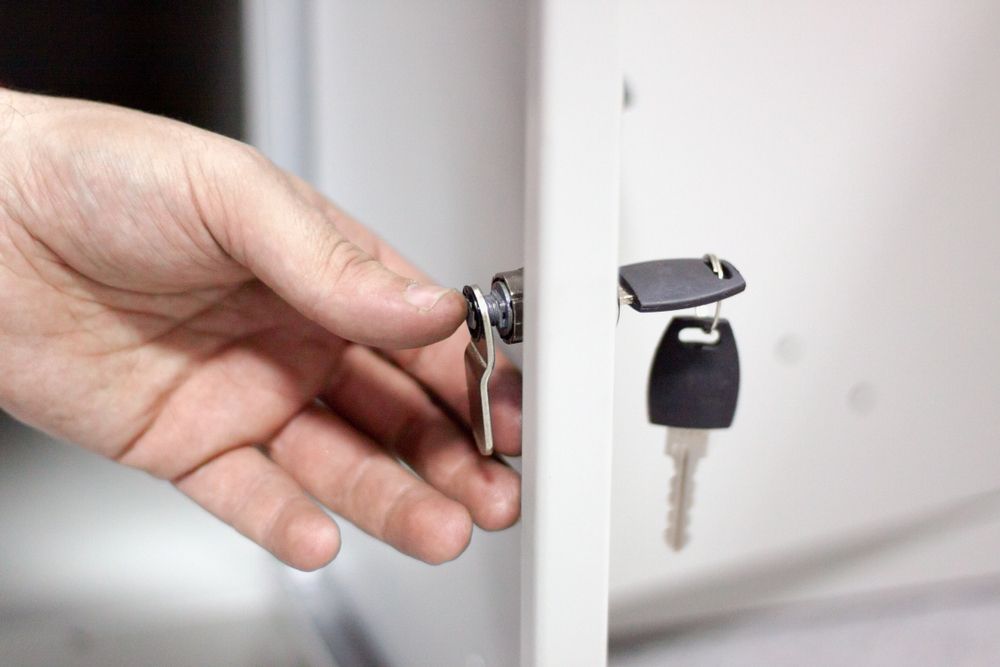
Many businesses work with a commercial locksmith on the Gold Coast to assess access control measures and identify weaknesses within their existing security framework. A proactive approach to security helps protect assets, sensitive information and the people who use the property every day.
Environmental & Location-Based Risks
External factors can also create substantial risks for commercial properties. Environmental conditions and location-specific threats may affect a property's ability to operate safely and efficiently, sometimes with little warning.
Depending on the property's location, risk exposure may stem from:
- Severe weather events and natural disasters.
- Flooding, storm damage or extreme temperatures.
- Nearby infrastructure or industrial hazards.
Because these risks vary considerably between locations, property owners must understand the unique challenges associated with their site. Regular assessments and emergency planning can help reduce the impact of unexpected environmental events.
Compliance & Regulatory Risks
Commercial properties must meet a range of legal and regulatory requirements relating to building safety, workplace health, accessibility and environmental standards. Failing to comply with these obligations can result in penalties, legal action, increased scrutiny and reputational damage.
Remaining compliant typically requires businesses to:
- Conduct regular safety and compliance audits.
- Update policies to reflect changing regulations.
- Ensure facilities meet current legislative requirements.
Keeping up with regulatory changes can be challenging, particularly for larger facilities with multiple stakeholders. Proactive compliance management helps reduce risk while supporting safer environments for employees, tenants, contractors and visitors.
The Cost of Poor Risk Management
Failing to identify and address risk exposure can have serious consequences for commercial property owners and businesses. What begins as a relatively minor issue can quickly develop into a significant financial and operational challenge that affects multiple areas of a business.
When risks are left unmanaged, the consequences may involve:
- Increased repair and replacement costs.
- Insurance disputes or reduced coverage options.
- Damage to business reputation and customer confidence.
Beyond financial impacts, unresolved risks can interrupt operations, affect workplace morale and create uncertainty for tenants and stakeholders. Taking preventative action is often far more cost-effective than dealing with the aftermath of a major incident.
Building a More Resilient Commercial Property
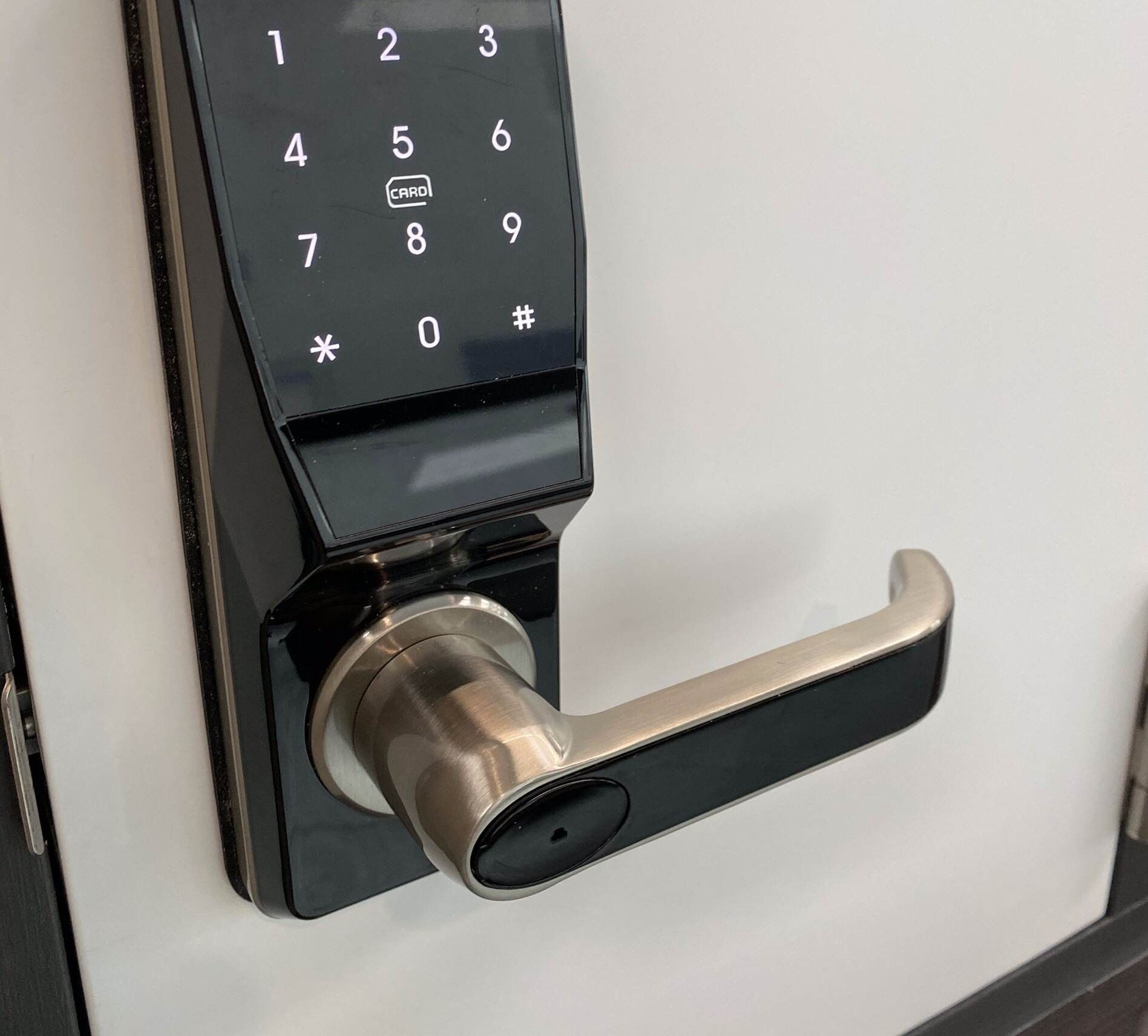
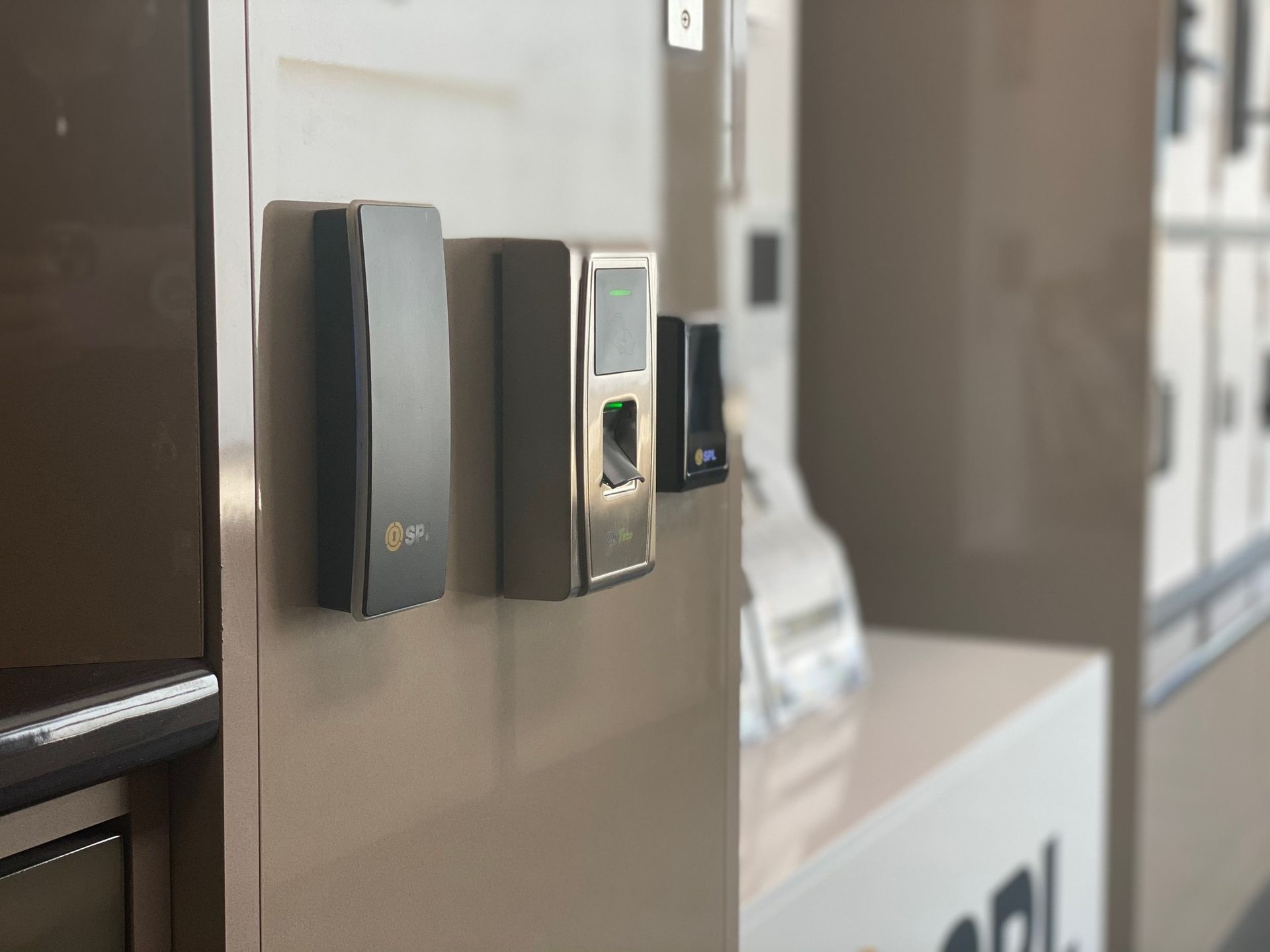
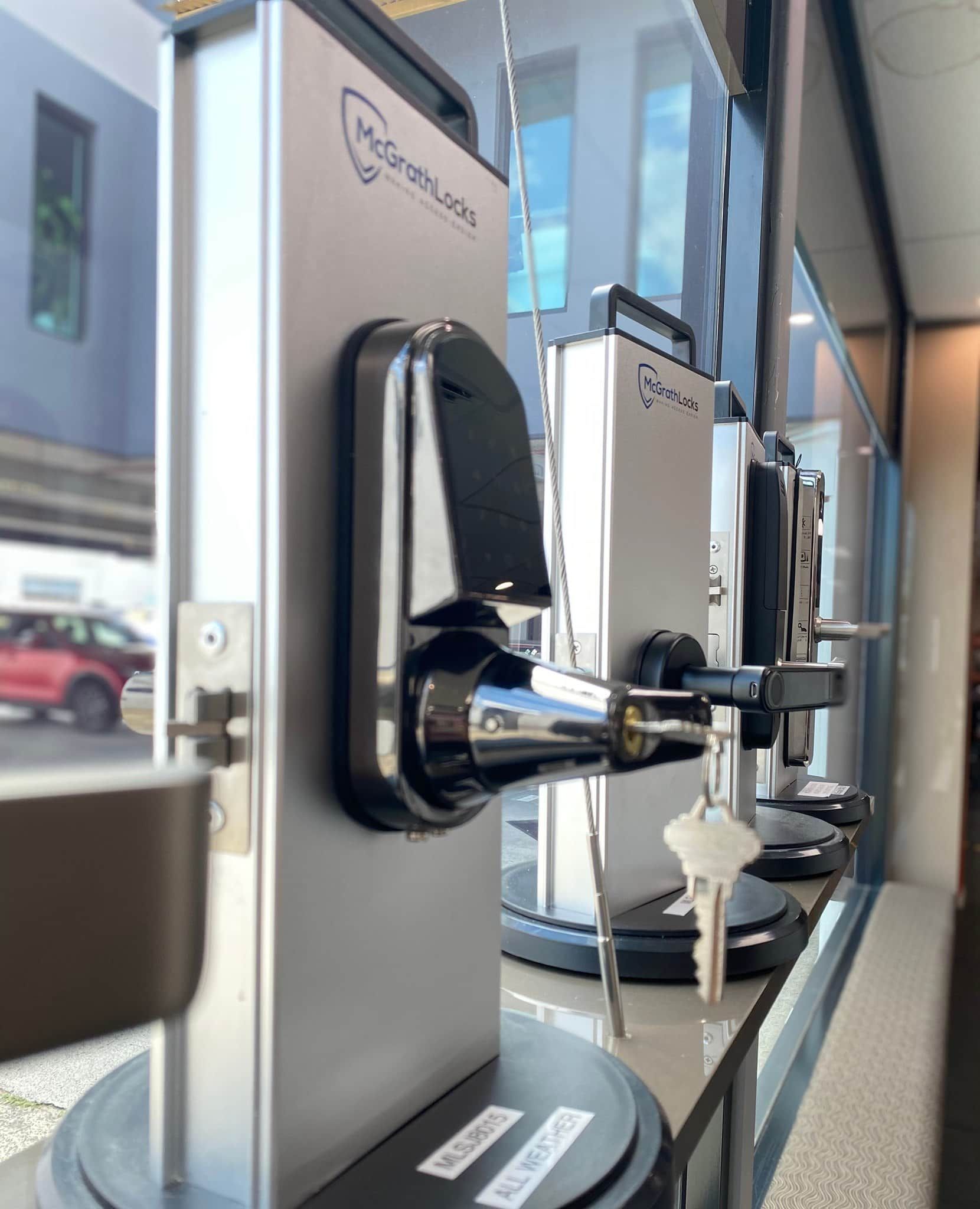
Effective risk management relies on a proactive approach that combines planning, monitoring, maintenance and continuous improvement. The most resilient commercial properties are those where risks are regularly assessed and mitigation strategies are reviewed over time. Many property owners are also investing in keyless entry systems on the Gold Coast to improve access control, strengthen security and support more efficient property management.
Many property owners strengthen resilience by prioritising:
- Routine property inspections and maintenance schedules.
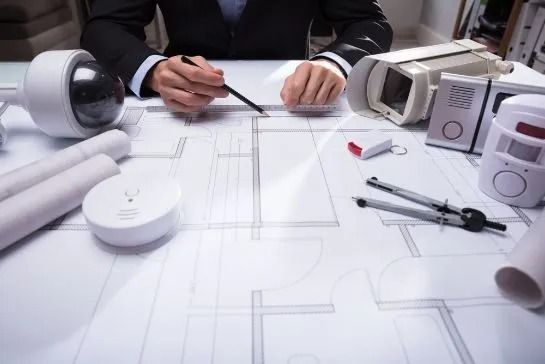
- Security system reviews and access control assessments.
- Emergency preparedness and business continuity planning.
By addressing vulnerabilities early, property owners can improve safety, maintain compliance and support long-term operational stability. Proactive management builds confidence among tenants, employees, investors and customers while helping businesses respond more effectively when unexpected challenges arise.
Protecting Commercial Properties Through Proactive Risk Management
We at SPL Security Solutions understand the importance of identifying and managing risk exposure before it impacts your property, tenants or business operations. Whether you are responsible for an office building, retail facility, warehouse or industrial site, taking a proactive approach to security, maintenance and compliance can significantly reduce vulnerabilities.
As part of a comprehensive risk management strategy, working with an experienced commercial locksmith on the Gold Coast can help strengthen access control, improve site security and support long-term business continuity. With changing compliance requirements, evolving security threats and the ongoing need to protect valuable assets, investing in preventative measures today can help avoid costly disruptions tomorrow. Contact us to learn how we can help protect your commercial property and support a safer, more resilient environment.