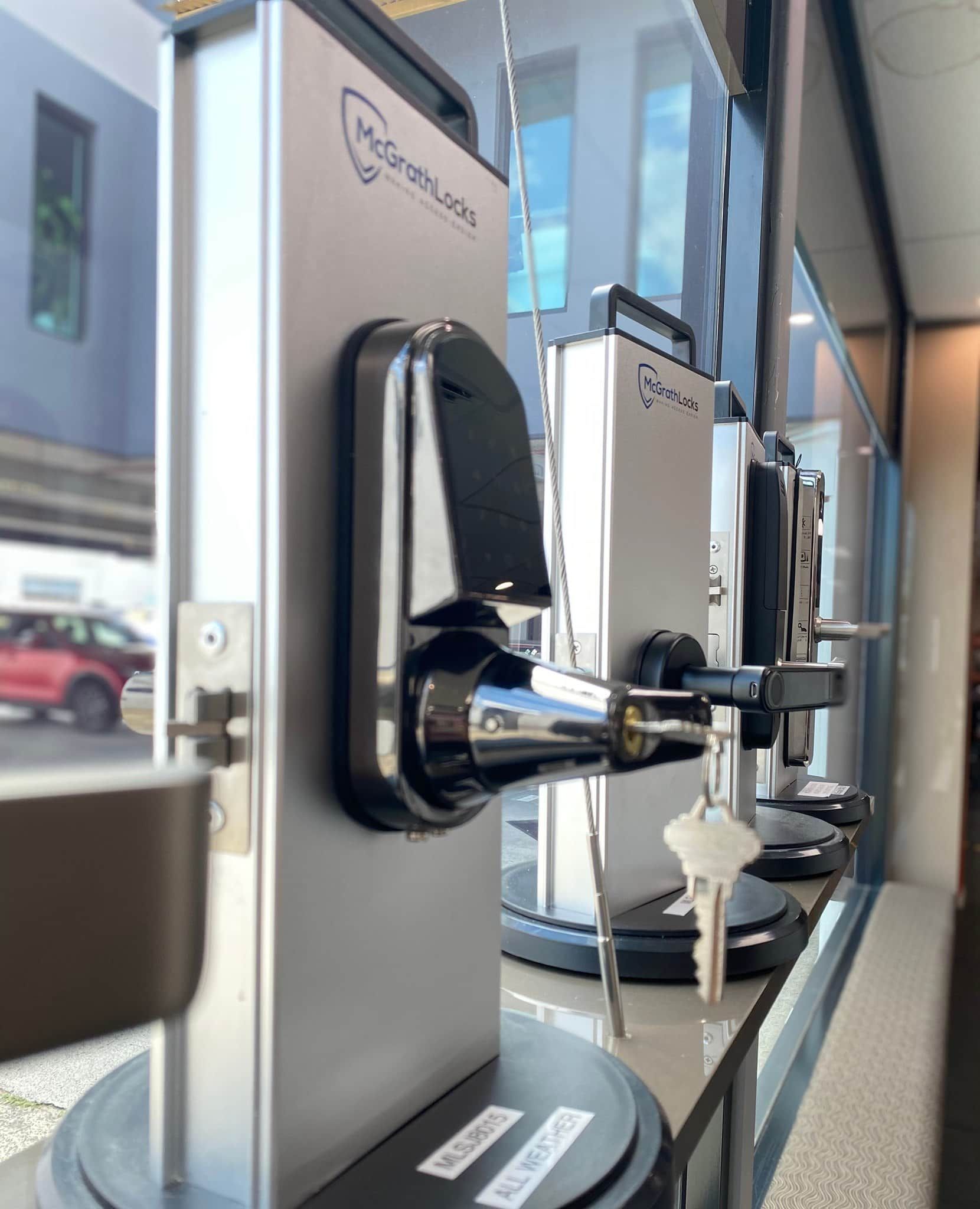

Keyless Entry Systems: Are They Right For Your Business?
If you are comparing options for smarter access control and searching commercial locksmith on the Gold Coast, you have likely outgrown metal keys. Keyless entry gives you card, fob or phone-based control with live logs and easy permissions. This guide explains how the tech works, where it beats traditional keys, when old-school locks still make sense, and how to judge the real cost for your site. If you want practical next steps for keyless entry systems Gold Coast, read on.
How Keyless Entry Works
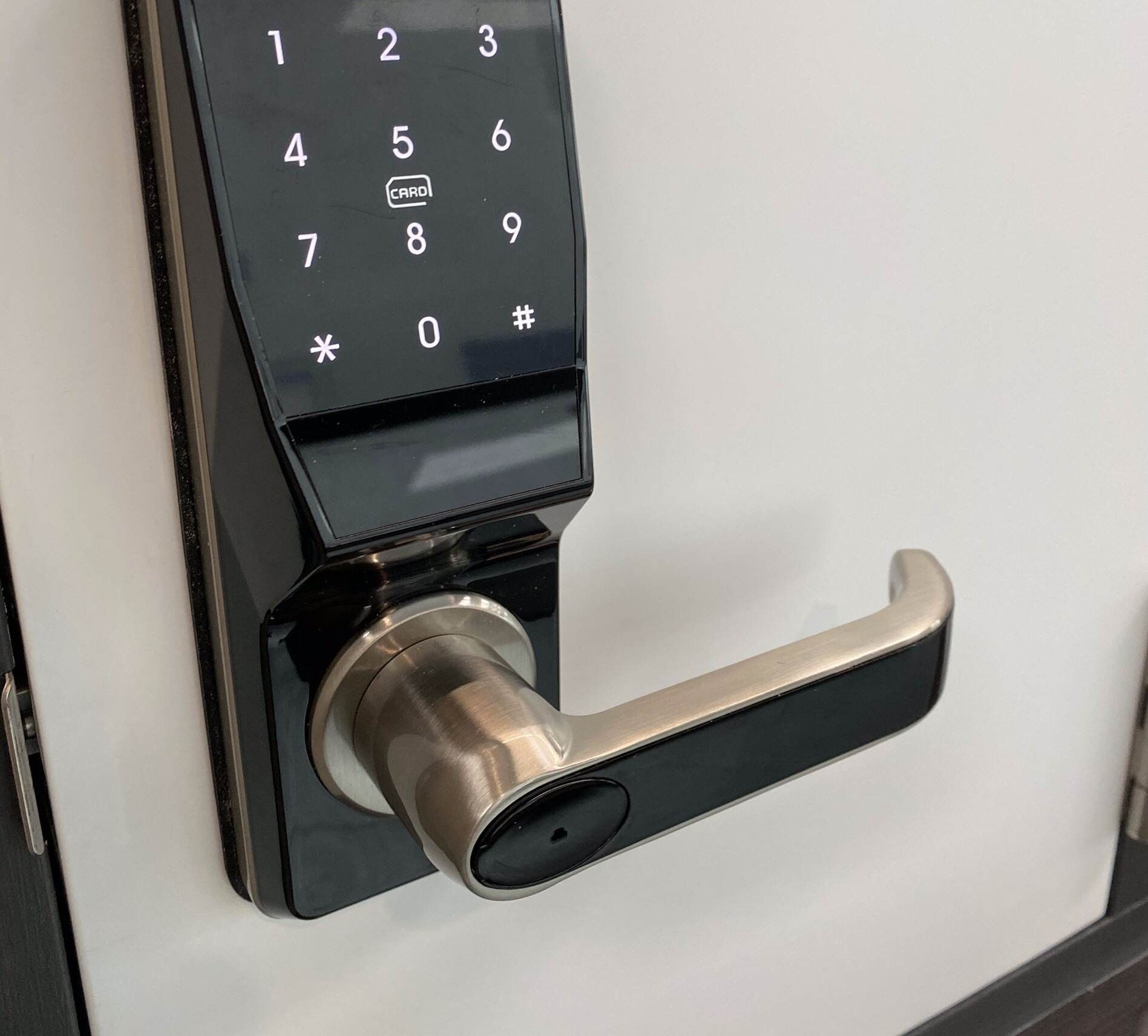
Keyless systems replace a mechanical keyway with an electronic reader and a controller. Users present a credential, the system checks permission, then fires the strike or motor to unlock.
Credentials can be:
- RFID cards or fobs
- Mobile credentials in a secure app
- PIN codes on a keypad
- Biometrics for higher risk doors
Permissions live in software, not on the key. That means you can add or remove access in seconds without changing hardware.
Keys vs Keyless: The Core Trade-offs
Traditional keys are simple and cheap up front, but control is limited. Copies are easy to make, keys go missing and rekeying after staff changes adds up. Keyless has higher setup, yet it delivers control, auditability and speed.
- Loss response: cancel a card instantly vs rekeying cylinders and cutting new keys
- Hours control: time-based rules for cleaners, contractors and casuals
- Evidence: access logs to support investigations or compliance
- Scalability: add doors and sites in software rather than re-issuing master keys
Where keys still shine: remote sites with no power, low-risk stores or locations that never change users.
Cost: What You Actually Pay For
Price depends on door count, hardware grade and software model. Budget across:
- Door hardware: electronic strike or motorised lock, reader, request-to-exit, door contacts
- Controller and power: centralised panel or all-in-one smart locks, cabling, backup battery
- Software: on-prem or cloud licence, user seats, mobile credentials
- Install and commissioning: door prep, programming, training
- Ongoing: support, firmware updates, replacement cards or fobs
A smart way to compare quotes is total cost over three to five years, not just day one. Add what you currently spend on rekeys, key cutting and lockouts, then weigh that against licence fees and occasional hardware swaps.
Security Features That Matter Day to Day
Modern systems do more than open doors. Look for:
- Granular permissions: per door, per time window
- Audit trails: who went where, when, with exportable reports
- Anti-passback and door-held alerts: stop tailgating and propped doors
- Mobile credentials: reduce card printing and lost fobs
- Two-factor on sensitive doors: card plus PIN for server or medicine rooms
- Visitor and contractor workflows: pre-issue temporary access that expires automatically
These controls turn access from a headache into a managed process you can prove.
Reliability: Power, Network & Outages
A common worry is, “What if the power goes out?” Professional systems account for that.
- Battery backup keeps readers and locks running
- Fail-secure or fail-safe hardware is chosen per risk and fire code
- Local caching lets doors make decisions if the network drops
- Fire integration releases egress paths on alarm
Ask your installer how each critical door behaves during power loss, network faults and fire events, then test it.
Compliance, Insurance & Audit
Some industries need auditable access to meet policies or insurer requirements. Keyless helps by:
- Proving who entered restricted areas
- Enforcing separation of duties between staff and contractors
- Keeping records for a defined retention period
For multi-tenant buildings, separate databases or partitioned sites ensure one tenant cannot view another’s data.
Multi-Site & Growth Ready
Cloud-managed platforms suit businesses with multiple locations, seasonal staff or frequent roster changes.
- Add a new branch and replicate roles in minutes
- Push mobile credentials remotely to new hires
- Report across all sites without merging spreadsheets
If you are expanding, choose hardware and software that support your likely door count and integrations for the next few years.
When A Hybrid Approach Works Best
Not every door needs electronics. Use keyless on:
- Main entries and staff doors
- Stock rooms, server rooms and first aid storage
- After-hours entries for cleaners and contractors
Keep mechanical locks on low-risk internal doors or cupboards. You get control where it matters, without wiring every hinge.
Common Mistakes To Avoid
- Under-spec power and cabling: leads to reader resets and nuisance faults
- Ignoring door condition: worn hinges or misaligned strikes cause false “door ajar” alerts
- One giant master role: too much access for too many users
- No offboarding process: credentials linger after staff leave
- Skipping training: managers need to know how to add users and read logs
A short handover with a clear playbook prevents most headaches.
How To Compare Quotes Fairly
Line up proposals door-for-door and ask each provider to confirm:
- Hardware model numbers and warranty terms
- Reader tech (MIFARE DESFire EV2 or equivalent) and mobile credential support
- Power design, backup runtime and fail-safe/fail-secure choices per door
- Cloud vs on-prem software, licence inclusions and data location
- Integrations you need now or later, like alarms or video
- Training, documentation and response times for support
When scope matches, the cheapest price has context. When it does not, expect variations later.
Signs You Are Ready To Go Keyless
- Frequent staff turnover or contractors coming and going
- Lost keys and untracked copies
- Multiple sites with messy key rings
- Compliance or insurance demands for audit trails
- After-hours access needs that change week to week
If two or more fit, it is time to speak with a commercial locksmith on the Gold Coast specialist.
Book SPL Security — Commercial Locksmith on the Gold Coast
Keyless entry swaps rekeys and guesswork for fast changes, clean logs and flexible control. Upfront costs are higher than basic keys, but many businesses save over time through fewer lockouts, quicker onboarding and tighter risk management. Start with your riskiest doors, choose hardware that matches local codes and your growth plan, then expand at your pace.
At SPL Security, we design, install and support keyless entry systems on the Gold Coast. From small fit-outs to multi-site rollouts, we’ll map the right readers, locks and software, then train your team so you stay in control. Tell us your door list, trading hours and future plans, and we’ll build a clear, cost-effective path from keys to keyless.